Solar Battery Storage
Solar battery storage across Northland
A battery can store surplus solar generation for use later in the day, reduce grid imports and, when a system is designed with the required backup equipment, supply selected loads during an outage.
Battery uptake is already significant in the Far North, where Top Energy has reported that around 60% of new solar connections since 2020 have included batteries. That does not mean every home needs one, but it does show how important storage and resilience have become in Northland system design.
Revolve Electrical designs new solar-and-battery systems and can assess whether battery storage can be added to an existing solar installation.
What determines the right battery approach
- Daily and overnight electricity use
- Existing solar generation and inverter architecture
- Desired backup loads and outage resilience
- Available installation space and switchboard capacity
- Northpower or Top Energy export requirements
- Future plans such as EV charging, hot-water control or battery expansion
AC-coupled or DC-coupled battery storage?
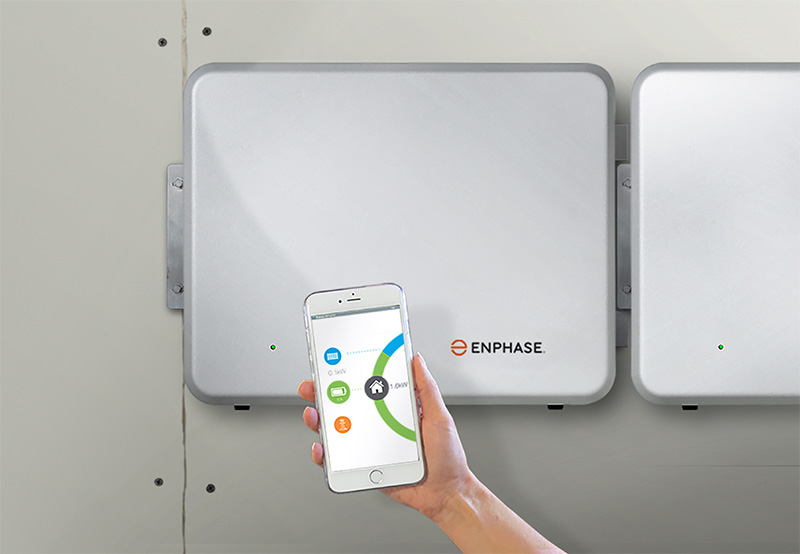
Revolve works with both approaches. Enphase is an AC-coupled platform using microinverters at panel level, while Sigenergy is a DC-coupled hybrid platform designed to integrate solar, inverter functions, battery storage, monitoring and energy management.
Neither architecture is automatically better. The right design depends on the existing system, roof layout, backup goals, future expansion and how the property uses electricity.
Self-consumption, export and backup
A battery can increase the amount of your own solar generation used on site by storing excess daytime energy for evening or overnight use. It can also change how much electricity is exported to the grid. Where backup is required, the gateway, switchboard configuration and selected circuits must be designed specifically for outage operation.
Our principal battery-system approaches include Enphase and Sigenergy. The proposal confirms the selected equipment, usable capacity, power capability, backup configuration, monitoring and applicable warranty information.
For business sites, see Commercial Solar across Northland. For regional network, export and electricity-price context, read our Northland Solar Guide.
Plan your solar project
Tell us your Northland property location, whether it is a home or business, and what you want to achieve with solar or battery storage. Mention any existing solar system and plans for EV charging or hot water.
Solar battery questions
Will every battery keep the house running during a power cut?
No. Backup operation depends on the battery, gateway, switchboard configuration and circuits selected during design. We clearly identify what the proposed system can supply during an outage.
Can a battery be added to an existing solar system?
Often yes, but compatibility and the best connection method depend on the existing panels, inverter, switchboard and network requirements. We assess the installed system before recommending an option.
How large should the battery be?
Battery size should be based on actual energy use, solar production, overnight demand and the result you want. Bigger is not automatically better if the extra capacity is rarely used.
Can a battery help with solar export limits?
In some designs, yes. Storing surplus generation can reduce the amount exported at a given time. The final strategy depends on the network connection, inverter settings, battery platform and household load profile.
What maintenance is required?
Modern battery systems generally require little routine maintenance, but monitoring, software updates, ventilation, clearances and manufacturer instructions remain important.